MBBS in Nepal

Info For

MBBS in Nepal

Studying MBBS in Nepal has become an increasingly popular and promising option for Indian and international medical aspirants seeking affordable, high-quality education abroad. Located close to India and offering a familiar cultural environment, Nepal combines excellent academics, modern infrastructure, and globally recognized degrees.

The medical colleges in Nepal are approved by the National Medical Commission (NMC) of India, the World Health Organization (WHO), and other international bodies, making it a reliable destination for pursuing an MBBS degree. The curriculum followed in these colleges aligns with global standards, and classes are conducted in English, which is convenient for foreign students, particularly those from India.

Unlike many other countries, where foreign students may encounter language and lifestyle barriers, Nepal provides a culturally harmon-ious experience. 

Indian students particularly benefit from visa-free travel, similar dietary customs, and a medical education system that closely mirrors India’s, facilitating a smooth transition and enhancing their chances of success.

History of Medical Education in Nepal

The foundation of formal medical education in Nepal was laid in the mid-20th century with the aim of improving the country’s healthcare system and producing skilled medical professionals locally.

  • The Institute of Medicine (IOM), under Tribhuvan University, was established in 1972 in Kathmandu, and it marked the beginning of structured medical education in the country. The program initially focused on training health assistants and paramedics before introducing its MBBS program in 1978.

   • In the 1990s, private medical colleges began to emerge with affiliations from Tribhuvan University and Kathmandu University. These colleges were instrumental in broadening access to medical education throughout the country.

  • Institutions such as B.P. Koirala Institute of Health Sciences (BPKIHS), Kathmandu Medical College (KMC), Nepal Medical College (NMC), and Manipal College of Medical Sciences became significant contributors to medical training and research in Nepal.

  • In 1993, Kathmandu University established its School of Medical Sciences, which further standardized and expanded MBBS education under its jurisdiction.

Today, Nepal has more than 20 medical colleges, offering MBBS programs to both domestic and foreign students. These institutions are overseen by the Nepal Medical Council (NMC) and the Medical Education Commission (MEC) to guarantee quality, maintain transparency, and ensure compliance with international standards in medical education.

Nepal’s long-standing relationship with Indian medical frameworks, shared standards, and collaborative healthcare missions has made it a particularly attractive destination for Indian students looking to study MBBS in Abroad at an affordable cost.

MBBS in Nepal Eligibility

To pursue an MBBS in Nepal, students must meet specific eligibility criteria, which vary slightly between government and private colleges. Below are the general requirements:

1. Academic Qualifications:

How to Insert a Tick Symbol In Microsoft Word DocumentsCandidates should have completed 10+2 or an equivalent qualification, including physics, chemistry, biology, and English as key subjects.

How to Insert a Tick Symbol In Microsoft Word Documents A minimum aggregate of 50% in PCB (Physics, Chemistry, Biology) is required for general category students, while reserved categories may have relaxed criteria (as per Nepal Medical Council guidelines).

How to Insert a Tick Symbol In Microsoft Word DocumentsIndian students must comply with the National Medical Commission (NMC) guidelines, ensuring their qualifications align with Indian standards.

2. Age Criteria:

How to Insert a Tick Symbol In Microsoft Word DocumentsApplicants must be at least 17 years old by 31 December of the admission year.

3. Entrance Examinations:

How to Insert a Tick Symbol In Microsoft Word DocumentsFor Indian students, qualifying for the NEET (National Eligibility cum Entrance Test) is essential to pursue an MBBS degree in Nepal. The NEET score serves as a key criterion for admission to most medical colleges in the country.

How to Insert a Tick Symbol In Microsoft Word DocumentsSome private colleges may conduct their own entrance exams or accept direct admissions based on academic merit and NEET scores, but this varies by institution.

4. Other Requirements:

How to Insert a Tick Symbol In Microsoft Word DocumentsA valid passport (for international students) and relevant documentation, such as mark sheets, transfer certificates, and character certificates, are required during the application process.

For institutions like Nepal Medical College, eligibility is aligned with Kathmandu University’s standards, ensuring a rigorous yet accessible pathway for students.
MBBS Admission Process in Nepal

The Nepal MBBS admission process is simple but requires careful attention to deadlines and documentation. Here’s a step-by-step guide:

1. Shortlist NMC-approved medical colleges in Nepal based on your budget and preferences.

2. Visit the official website of the selected college or consult an authorized representative.

3. Fill out the application form accurately and completely.

4. Submit required documents like mark sheets, NEET scorecard, passport, and photos.

5. Appear for entrance exams or interviews, if the college conducts them.

6. Receive the provisional admission offer letter from the college.

7. Pay the admission/booking fee to confirm your MBBS seat.

8. Apply for the NMC Eligibility Certificate from India (mandatory for Indian citizens).

9. Complete final enrollment formalities as per the college’s joining instructions.

Get Free Counselling
Interested for more details.

10. Join the college on the specified date and attend the orientation program.

11. Begin your MBBS journey in Nepal with confidence and preparation.

Documents Required for MBBS

Make sure you have all the required documents before applying for MBBS admission in medical universities in Nepal. Please follow the checklist below –

1. 10th certificate and Mark Sheet.
2. 12th certificate and Mark Sheet.
3. birth certificate.
4. 10 passport-size photos.
5. Official invitation letter of the Medical University of Nepal.
6. Legalization of all documents of the Embassy of Nepal.
7. valid visa.
8. Bank receipt for enrollment in the first year (required for some universities).
9. HIV test papers.
10. passport.

Why Choose MBBS in Nepal?

Nepal has emerged as a hub for medical education in South Asia, with institutions like Nepal Medical College (NMC) leading the way. Established in 1997, NMC is situated in Attarkhel, Jorpati, Kathmandu, offering a serene environment conducive to learning. The college is affiliated with Kathmandu University and recognized by the Nepal Medical Council (NMC) and the Medical Council of India (MCI) and is listed in the World Directory of Medical Schools. This global recognition ensures that graduates can practice medicine worldwide after clearing relevant licensing exams.

Nepal’s medical education system is modelled after international standards, with a curriculum that emphasizes both theoretical knowledge and practical clinical exposure. The country’s medical colleges, including private and government institutions, are regulated by the Medical Education Commission (MEC), ensuring transparency and quality. For Indian students, studying MBBS in Nepal is particularly appealing due to the absence of language barriers (English is the medium of instruction), affordable MBBS in Nepal fees, and no visa requirements.

Advantages of Studying MBBS in Nepal

1. Cost-Effective Education: Compared to other countries, the MBBS in Nepal fees are reasonable, especially in government colleges.

2. Quality Infrastructure: Colleges like Nepal Medical College offer modern facilities, including advanced labs and teaching hospitals.

3. Global Opportunities: Graduates can pursue postgraduate studies or practice in countries like India, the UK, or the US after clearing licensing exams (e.g., FMGE, USMLE, PLAB).

4. Proximity to India: For Indian students, Nepal’s geographical and cultural proximity reduces homesickness and travel costs.

5. Holistic Training: The curriculum emphasizes ethics, communication skills, and clinical exposure, producing well-rounded doctors.

Top Medical Nepal University​​

Nepal has 24 medical colleges recognized by the Nepal Medical Council, with a mix of public, private, and army-funded institutions. Some prominent ones include:

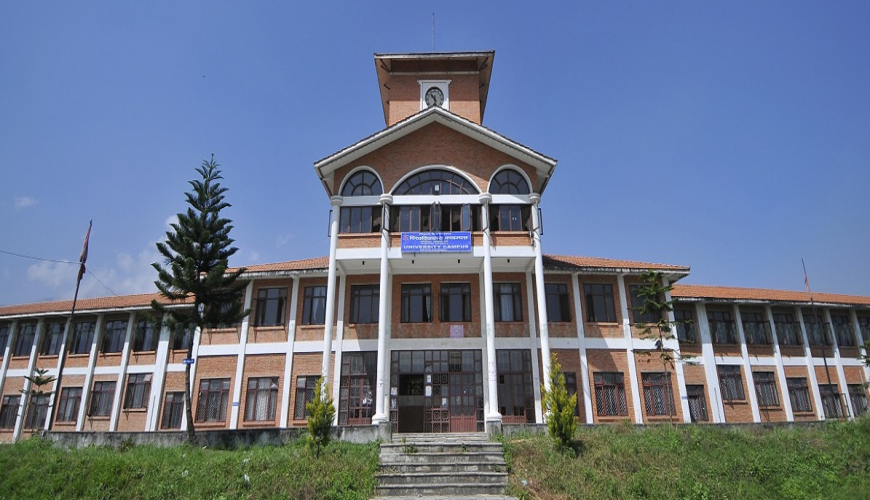
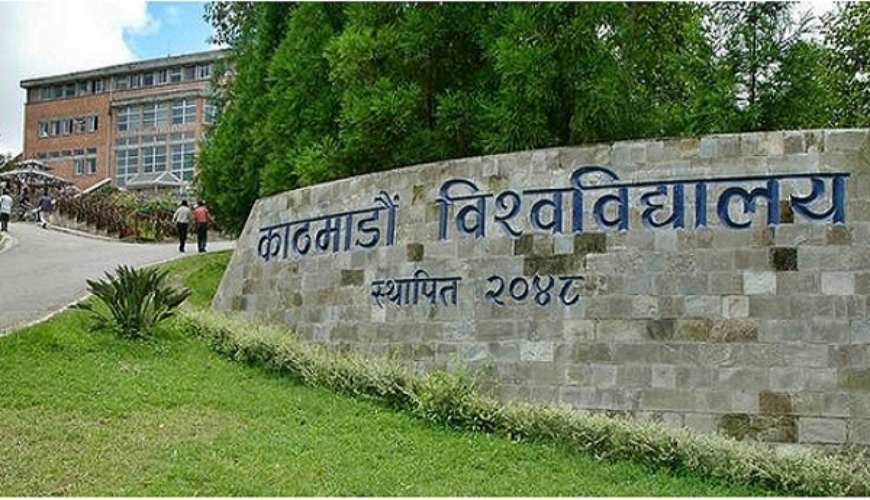
study palace hub (Mbbs in Nepal) (Kathmandu University)
Kathmandu University
study palace hub (Mbbs in Nepal) (Tribhuvan University)
Tribhuvan University
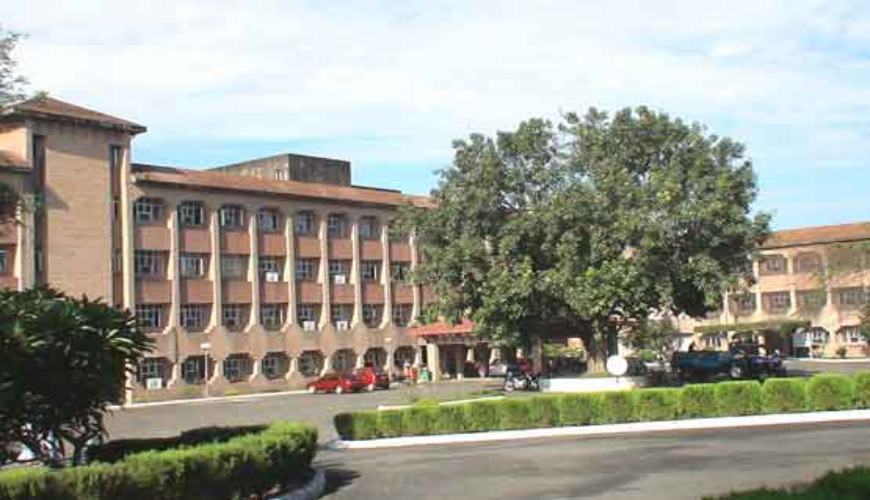
study palace hub (Mbbs in Nepal) (B.P.Koirala Institute of Health Science)
B.P.Koirala Institute of Health Science
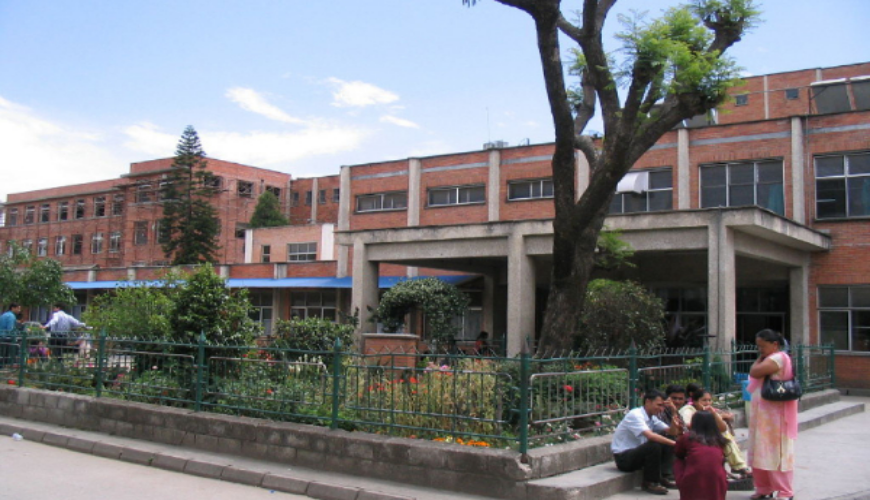
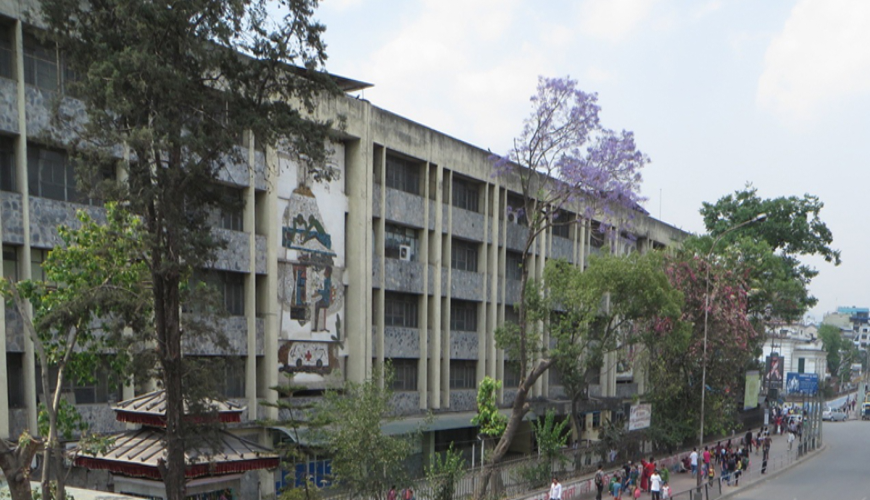
study palace hub (Mbbs in Nepal) (Patan Academy of Health Science)
Patan Academy of Health Science
study palace hub (Mbbs in Nepal) (National Academy of Medical Science)
National Academy of Medical Science
Karnali Academy of Health Science
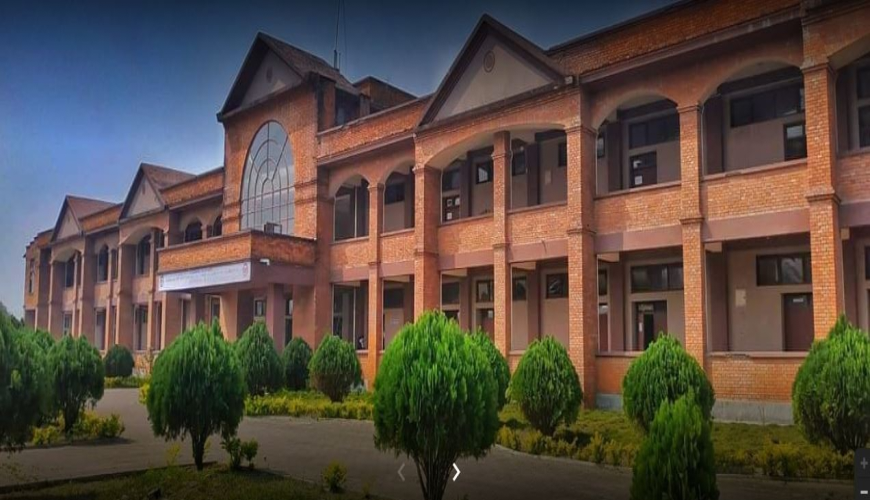
study palace hub (Mbbs in Nepal) (Purvanchal University)
Purvanchal university
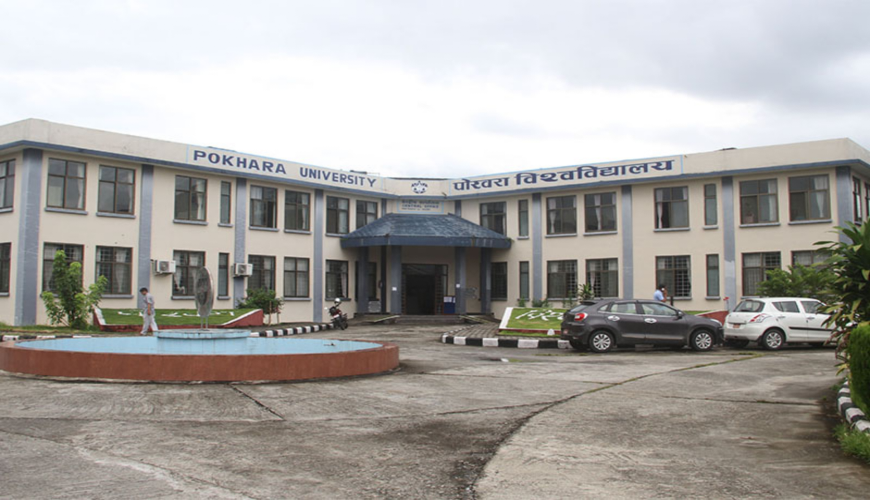
Study Palace Hub (MBBS in Nepal)(Pokhara University)
Pokhara University